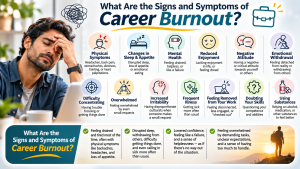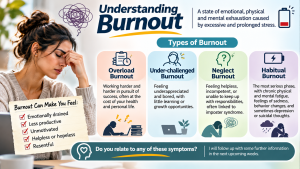
Burnout can be caused by stress, but it’s not the same. Stress results from too much mental and physical pressure and too many demands on your time and energy. Burnout is about too little. Too little emotion, motivation, or care. Stress can make you feel overwhelmed, but burnout makes you feel depleted and used up.
There are differences in how stress and burnout manifest. Someone who is stressed tends to be over-reactive and hyperactive, whereas burnout presents more as disengagement and produces a sense of helplessness and hopelessness, with loss of motivation and hope. It can also lead to depression and detachment.
How do we prevent and treat career burnout?
- We must first be aware that we are becoming burnt-out, as this can creep up at times, especially during busy periods.
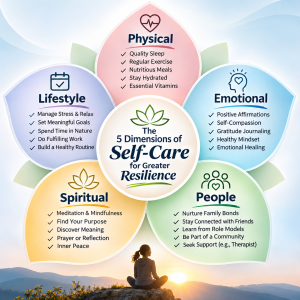
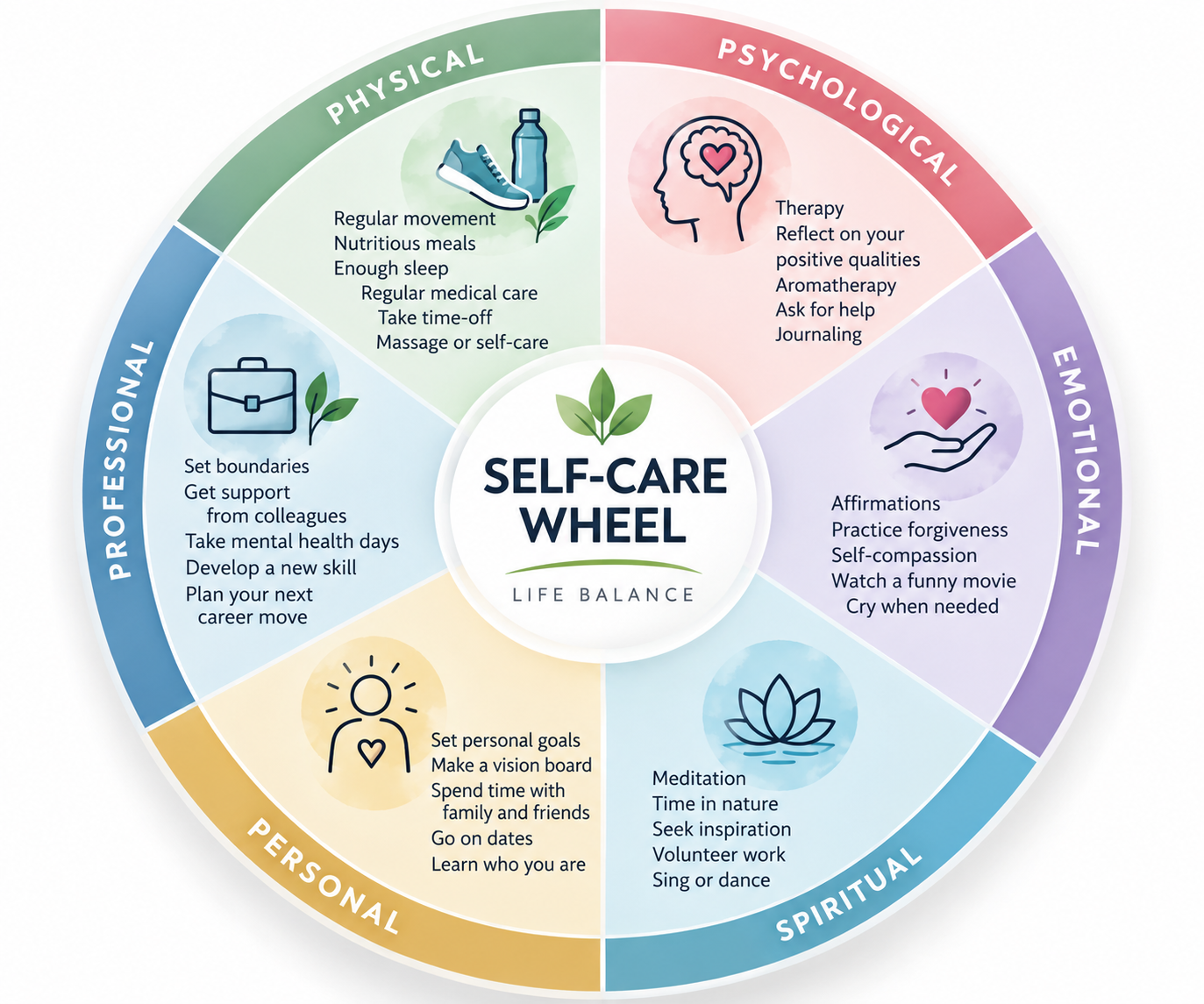
- Reach out to others rather than withdraw. It is important that we have a strong social network to call on and people to talk to when we are going through difficult times at work.
- It is important to try to socialize with co-workers so you don’t feel you are just coming into work and hiding away in your office. Withdrawing in the work environment can feel very isolating and contributes to the feelings of hopelessness and depression.
- Exercise is also important to boost energy and mood. Doing some cardio, waking or even weight training or other exercise activities can help to lighten the mood.
- Try to find something in the work you do that you feel is interesting and helps you gain more of a purpose and value. This can be quite helpful in giving people hope and helping them to become more engaged at work.
- Eating healthy is also an important way to stay healthy, mentally and physically and can prevent burnout. A balanced diet, eating more fruits and veggies, minimizing sugars and reducing foods that can negatively affect your mood such as alcohol and caffeine particularly if consumed in excess can help minimize the effects of burnout.
- Important to practice work-life balance.